Villa Construction in South Bali: Why Water Planning Should Start Before Groundbreaking
4 Juni 2026
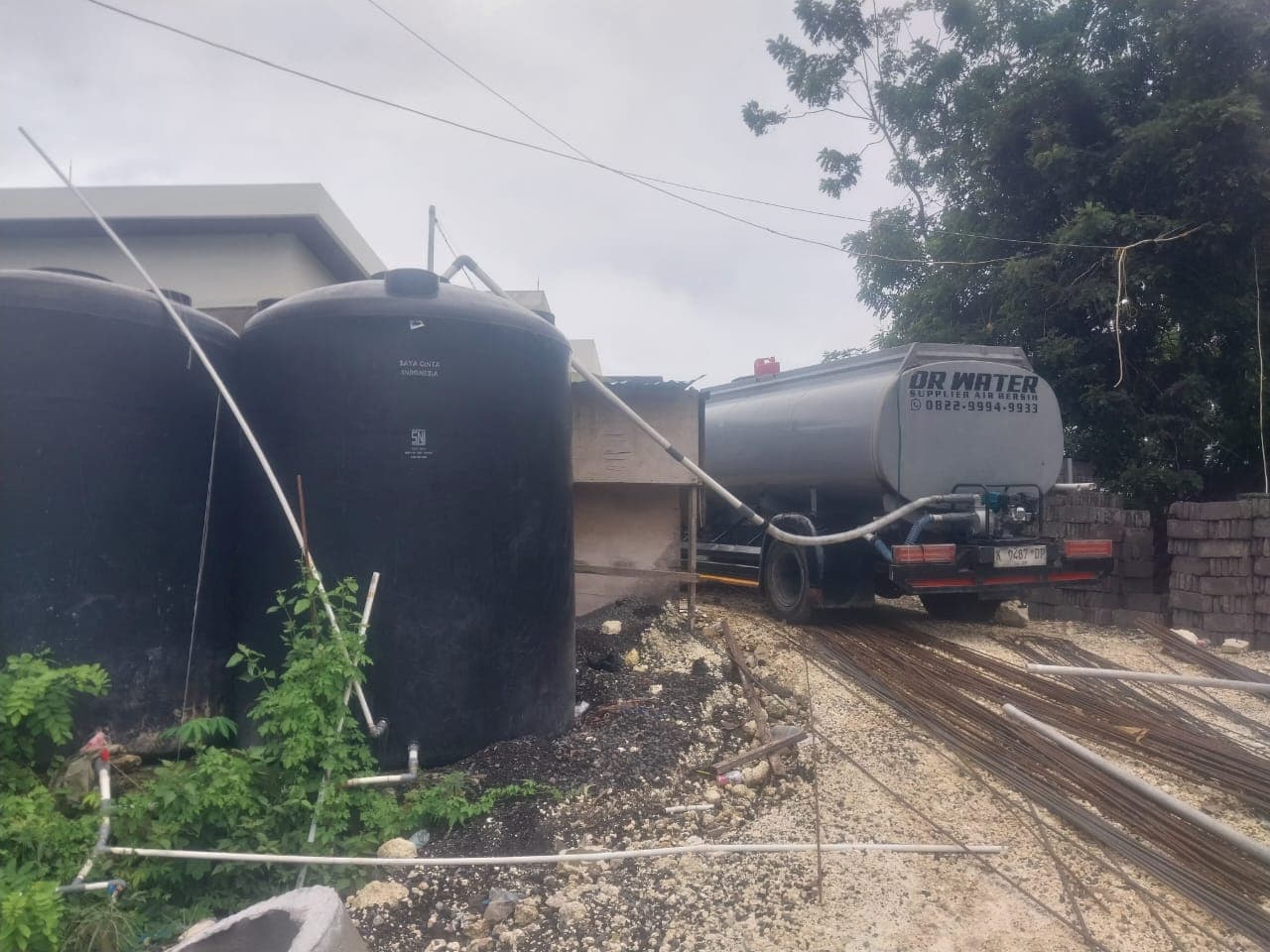
The 2026 villa construction boom across South Bali has reached an all-time high. Driven by an unrelenting influx of premium tourism and expatriate development, areas across Badung, Denpasar, and Gianyar are seeing unprecedented groundbreaking activity.
Yet, for construction managers overseeing multi-million dollar luxury builds in water-scarce zones like the Bukit Peninsula, Uluwatu, and Canggu, a critical bottleneck threatens project timelines before the first brick is even laid: unreliable water logistics.
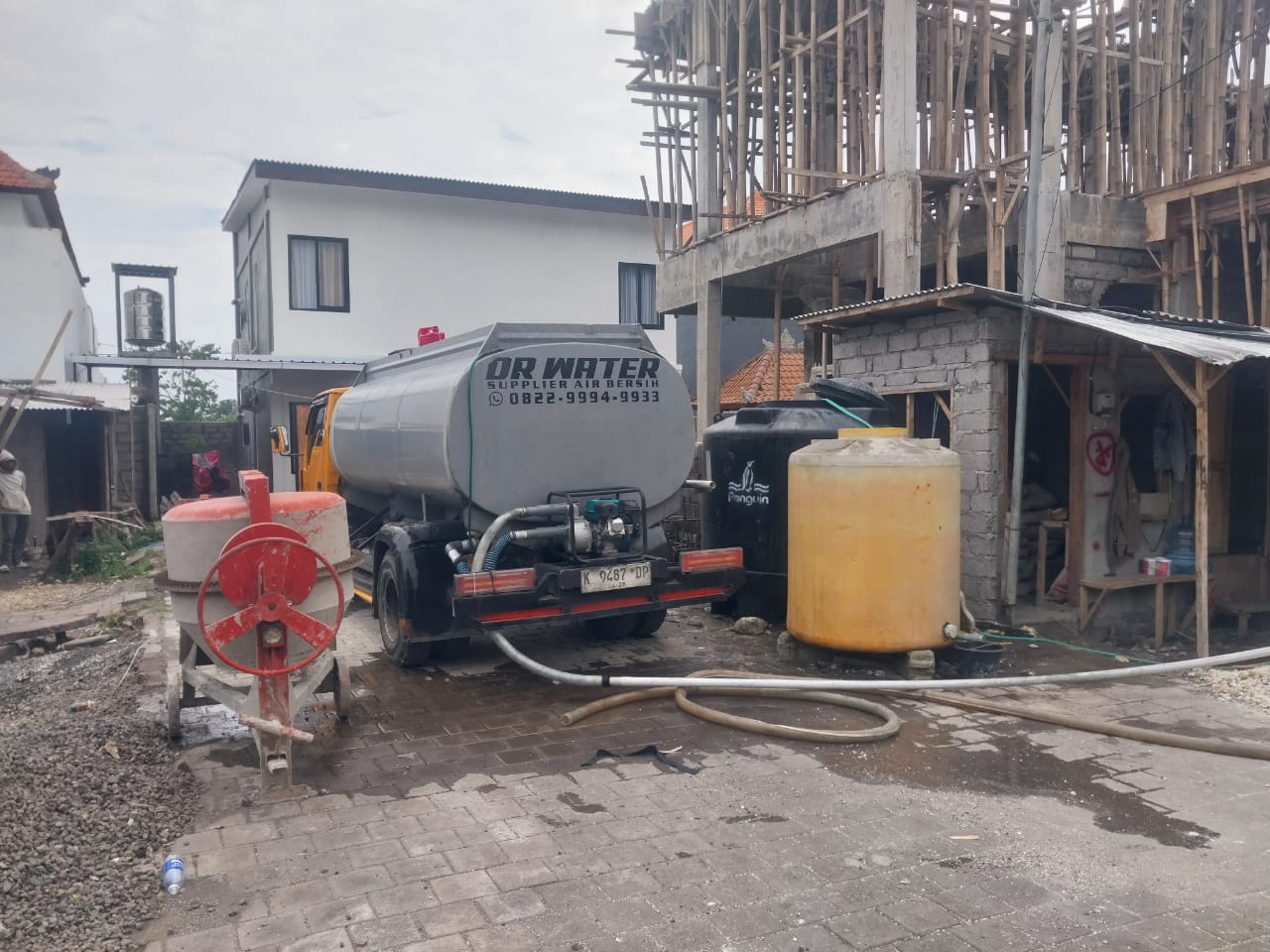
Structural foundation work in Bali requires a massive, steady volume of on-site water logistics.. Source: A Brother Abroad
Many developers mistakenly treat water delivery as an afterthought—something to arrange via a quick phone call once the site is active. But in Bali's current infrastructure climate, delaying your water planning is one of the most expensive logistical mistakes you can make.
The 2026 Reality: Why Municipal Infrastructure Isn't Enough
The rapid pace of development in South Bali has severely outpaced the municipal pipeline (PDAM) grid. During the current intense dry season, line pressures drop significantly, and in high-altitude or rapidly growing coastal zones, municipal water is either non-existent or plagued by unpredictable shutoffs.
If you are relying on a standard pipeline or slow, unverified local vendors to supply your site, your project is vulnerable to sudden, costly work stoppages. From mixing concrete to dust suppression and soil compaction, a modern villa build requires thousands of liters of highly consistent bulk water (air tangki) daily. If the water trucks don't arrive on schedule, your crew stands idle, and your delivery milestones slip.
The Operational Cost of Poor Water Logistics
Strategic water planning for villas must be integrated directly into your initial site mobilization phase. Waiting until your team is ready for a major concrete pour to source bulk water invites disaster. Consider the primary structural phases where a reliable bulk water supply dictates your timeline:
Foundation & Site Preparation: Soil compaction and early excavation require massive, sustained volumes of water to ensure structural integrity before pouring slabs.
Concrete & Mortar Mixing: Concrete curing is chemically precise. An unexpected break in water supply mid-pour can cause cold joints, compromising the structural lifespan of the entire build.
Ground Tank (Gronteng) Sourcing: Modern luxury villas require substantial underground storage tanks. Safely pressure-testing, washing, and filling these vast gronteng units demands high-volume, rapid delivery that standard utility lines simply cannot provide.
By locking in an institutional bulk supplier early, you insulate your crew from local scarcity spikes and guarantee that your build cadence remains uninterrupted.
Setting the Standard: Why Water Quality Impacts Your Build
It is a common misconception that any raw water will do for a construction site. While construction water is strictly non-potable and completely separate from drinking water requirements, clarity and chemical composition still matter immensely.
Using murky, heavily silted water from unverified sources can introduce organic contaminants into your concrete mixes, weakening the structural bond. Furthermore, as your villa nears completion, filling pristine swimming pools or pressure-testing premium plumbing fixtures with low-grade water leads to mineral staining on high-end tiles, clogged filtration valves, and expensive cleanup cycles before final handoff.
Differentiating your build means tracking reliability and water purity metrics from day one. Utilizing clean, high-volume non-potable water ensures your structural elements cure perfectly and your finishes remain immaculate.
Frequently Asked Questions (FAQ)
How many liters of bulk water does a typical villa construction site need daily?
Depending on the build phase, consumption varies. Early excavation, compaction, and concrete mixing phases routinely require 5,000 to 15,000 liters per day. Final phases, such as pressure testing and initial ground tank (gronteng) or pool filling, require high-volume drops of 20,000 to 50,000+ liters.
Why is municipal water (PDAM) unreliable for construction sites in South Bali?
Due to the 2026 development surge in regions like Badung and the Bukit Peninsula, the existing municipal grid suffers from low pressure and frequent operational deficits. It cannot dynamically scale to provide the high-volume flow rates required for rapid construction timelines.
Is bulk construction water safe for pool filling and worker utility?
Yes. While our bulk water is non-potable (not for drinking), it is sourced for high clarity and cleanliness. This makes it completely safe for worker hygiene/skin contact on-site, concrete preparation, and filling luxury villa swimming pools without risking mineral stains or equipment damage.
Secure Your Construction Timeline with DR Water Supply
Do not let infrastructure gaps stall your groundbreaking schedule. DR Water Supply provides dedicated, high-volume non-potable bulk water logistics tailored specifically for premium commercial and residential developments across Badung, Denpasar, and Gianyar.
With on-demand tracking, uncompromised delivery speeds, and strict water clarity standards, we ensure your project stays on schedule and on budget.
Ensure your site logistics are locked in before the first pour.
Butuh Air Bersih Berkualitas?
Pesan sekarang melalui WhatsApp dan dapatkan layanan pengiriman air bersih terbaik di Bali
Order via WhatsApp