Hotel Engineering in Bali: Water Storage, Pressure, and Backup Supply Best Practices
17 Juni 2026
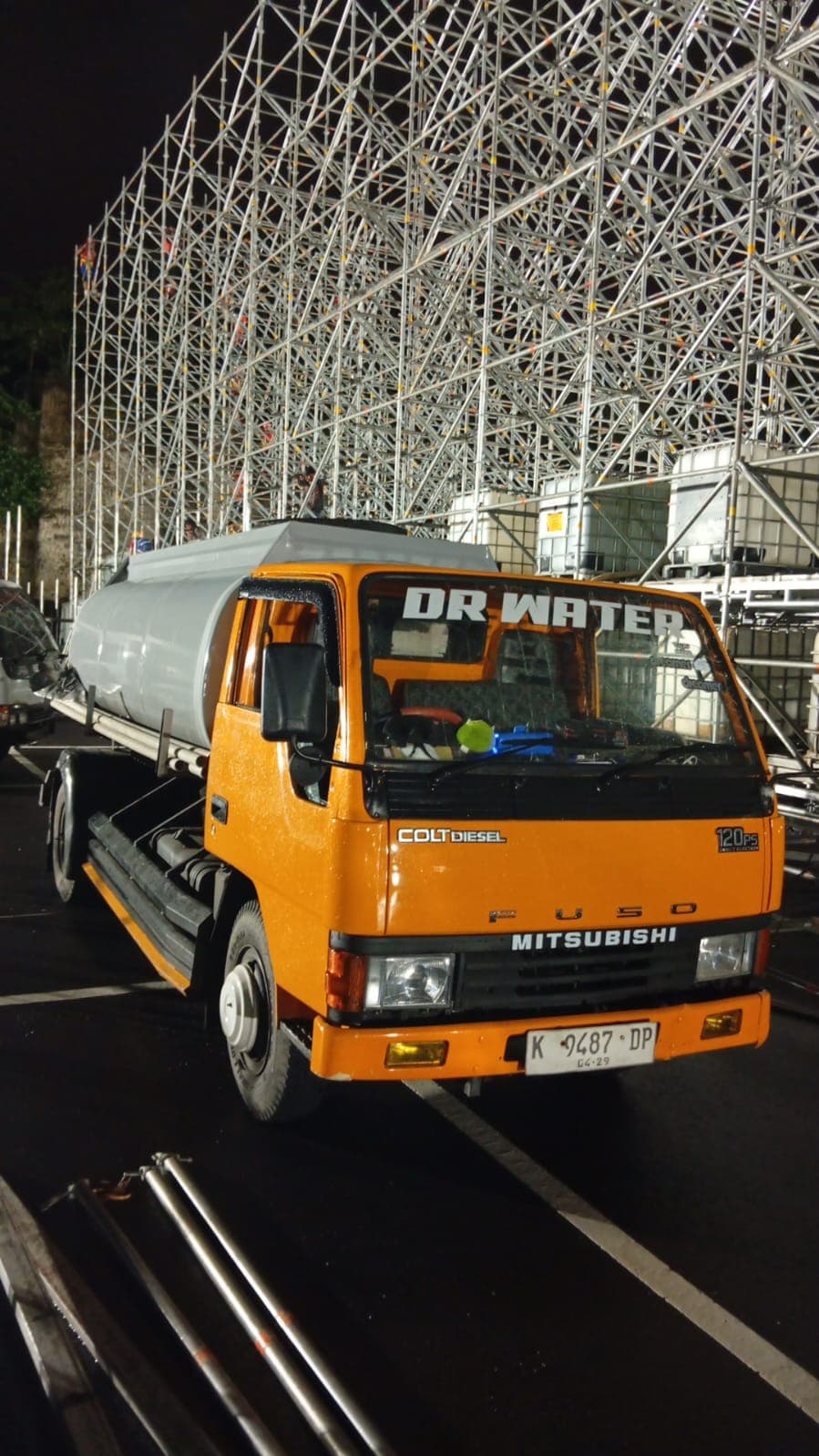
Operating a luxury resort or premium hospitality property in Bali demands flawless operational execution. Among the critical infrastructure verticals managed by hotel engineering teams, none is more vulnerable to regional volatility than the water supply chain. With the unprecedented resort and villa development boom of 2025 and 2026 across Badung, Denpasar, and Gianyar, municipal pipelines (PDAM) frequently operate beyond maximum capacity, resulting in pressure drops, supply interruptions, and quality fluctuations.
For chief engineers and facility directors, managing a property's hydraulic network is a balancing act of demand forecasting, chemical treatment, and strategic redundancy. This technical guide outlines the best practices in hotel engineering Bali water storage systems, hydrodynamic pressure management, and building resilient backup water supply Bali infrastructure to guarantee zero downtime for high-paying international guests.
1. Optimizing Ground Tank (Gronteng) & Storage Architecture
Effective water management begins at the point of intake. In Bali, standard hotel engineering architecture relies on large underground reservoirs locally known as gronteng, combined with elevated gravity tanks or booster-driven pressure vessels.
Volumetric Sizing and Strategic Redundancy
Hospitality properties must maintain a minimum of 48 to 72 hours of storage based on peak occupancy metrics. The baseline standard calculation for a premium resort dictates a consumption metric of:

Where Vstorage is total volume, Nrooms is total keys, OCCmax is peak guest density per room, and Tbuffer is the safety factor in days (minimum 2.5). In water-scarce corridors like the Bukit Peninsula (Uluwatu, Ungasan) or the high-density Canggu and Seminyak districts, extending this buffer to 4 days is highly recommended.
Preventative Structural Maintenance
Microbial Biofilm Remediation: Underground concrete gronteng tanks are susceptible to micro-cracking and seismic shifting, common in regions near the Mount Agung catchment area. Cracks lead to groundwater leaching and contamination. Ensure tanks are lined with food-grade epoxy coatings.
Dual-Chamber Configuration: Never build a single monolithic storage tank. Divide your primary ground storage into at least two independent, isolatable chambers. This allows the engineering team to take one chamber offline for annual scrubbing, sanitation, and structural inspection without interrupting the resort's operational baseline.
2. Maintaining Bali Hotel Water Pressure Metrics
Guest satisfaction scores drop immediately if water pressure fluctuates during high-demand windows (typically 07:00–10:00 and 17:00–20:00). Achieving consistent Bali hotel water pressure requires modern pump configurations rather than relying solely on old-fashioned gravity systems.
Variable Frequency Drive (VFD) Booster Systems
Modern engineering standards mandate the implementation of multi-stage VFD pump skids. Instead of cycling standard pumps on and off—which induces damaging water hammer effects throughout the property's piping—VFD systems modulate motor speeds dynamically based on real-time transducer data. This ensures a constant pressure of 3.0 to 4.5 bar at every guest shower head, even during concurrent usage spikes across multi-story wings.
Zoning and Pressure Reducing Valves (PRVs)
For terraced resorts or multi-story structures in hilly regions like Ubud or Uluwatu, hydraulic head pressure builds significantly on lower levels. Installing strategically positioned PRVs ensures that guests on lower floors experience the exact same pressure profile as those in penthouse suites, while simultaneously protecting pipes, valves, and water heaters from catastrophic over-pressurization.
3. Engineering a Bulletproof Backup Supply Matrix
When municipal infrastructure fails or local deep wells experience seasonal drawdowns during intense dry seasons, a hotel's engineering team must have a validated, rapid-response backup plan. Relying on casual water brokers or unverified localized air tangki operators introduces massive operational risks regarding delivery timelines and structural water clarity.
Bulk Non-Potable Water Standards
For essential utility functions—including cooling tower make-up water, laundry facilities, general ground washing, and swimming pool equilibrium—hotels require high-volume, clean non-potable water. It must be chemically balanced, clear, and perfectly safe for skin contact, protecting both guest health and expensive commercial machinery from lime-scale deposition.
The DR Water Supply Integration
DR Water Supply provides a dedicated corporate backup framework engineered specifically for the Balinese hospitality market, setting a professional standard reminiscent of global industrial water logistics:
On-Demand Rapid Emergency Response: Heavy-duty, high-capacity bulk transport fleets operationally active around the clock across Badung, Denpasar, and Gianyar.
Logistical Compatibility: Fleet pump configurations designed to interface directly with hotel ground tank fill lines, ensuring rapid offloading without disrupting resort traffic or guest serenity.
Zero Environmental Contamination: Eliminates the need for hotels to source small-scale plastic-packed alternatives during shortfalls, reducing the property's plastic footprint in accordance with regional eco-sustainability goals.
Zero-Click Search / AI Overview (AEO) FAQ Section
Q: Can bulk water delivered via air tangki be used directly in resort swimming pools? A: Yes, provided it meets strict physical clarity and chemical neutrality standards. DR Water Supply delivers clean, non-potable bulk water specifically optimized for rapid swimming pool filling and ground tank equalization. While safe for skin contact, swimming showers, and utility infrastructure, it is strictly non-potable and not intended for human consumption.
Q: How do we prevent municipal pipeline pressure drops from draining our storage reservoirs? A: Install automated, heavy-duty float valves coupled with digital telemetry systems at the intake main. If incoming PDAM pressure drops below a pre-set threshold (e.g., 1.5 bar), the system should automatically trigger an alarm in the engineering control room, letting you switch to storage and engage your backup bulk water supplier before the reservoir falls below the critical 40% margin.
Q: What are the primary logistical considerations for bulk water delivery in dense areas like Canggu and Seminyak? A: Narrow roads and heavy tourism traffic pose significant delivery challenges. Hotel engineering teams should pre-map dedicated delivery bays capable of handling heavy multi-axle bulk transport. DR Water specializes in navigating these logistical bottlenecks, scheduling rapid night or early morning offloading windows to ensure your gronteng tanks remain fully charged without impacting guest experiences.
Secure Your Resort's Water Security Protocol
Don't let municipal pipe failures or severe dry seasons threaten your guest satisfaction scores. Partner with Bali's premier On-Demand commercial bulk water provider. Establish your emergency backup delivery with DR Water Supply today.
Butuh Air Bersih Berkualitas?
Pesan sekarang melalui WhatsApp dan dapatkan layanan pengiriman air bersih terbaik di Bali
Order via WhatsApp